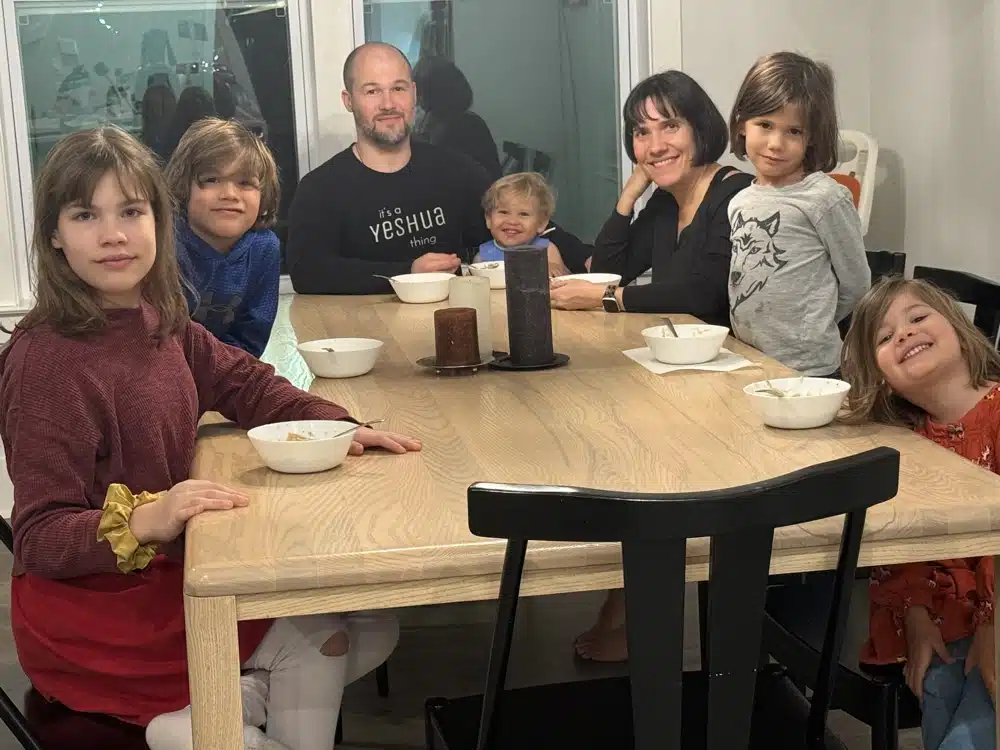
As health-conscious parents of 5 (soon to be 6), juggling homeschooling and a business, large family meal planning can be quite a challenge. We struggled for many years to find a system that worked to keep our family fed with healthy, from-scratch meals on a budget.
A lot of people claim that eating healthy is “too expensive.” But you know what’s really expensive? Cancer. Autoimmune disease. Multiple doctor’s visits for five or more children…
That’s why we’ve chosen to prioritize our health when it comes to our family’s grocery budget.
Contrary to popular belief, it is possible to eat healthy and make it affordable. Most of us just need to get our priorities in order … if you can afford a $1,000 smartphone, surely you can afford to feed your family wholesome food! A home-cooked meal is a lot healthier and more affordable than a Starbucks pumpkin spiced latte… (just sayin’).
In this post, we’re going to share:
- How to create a “master meal list” everyone loves.
- Bulk buying and pantry stocking tips for large families.
- Streamlined strategies for making healthy meals from scratch with ease.
Our goal is to empower you to create your own large family meal planning system that works for you and your lifestyle.
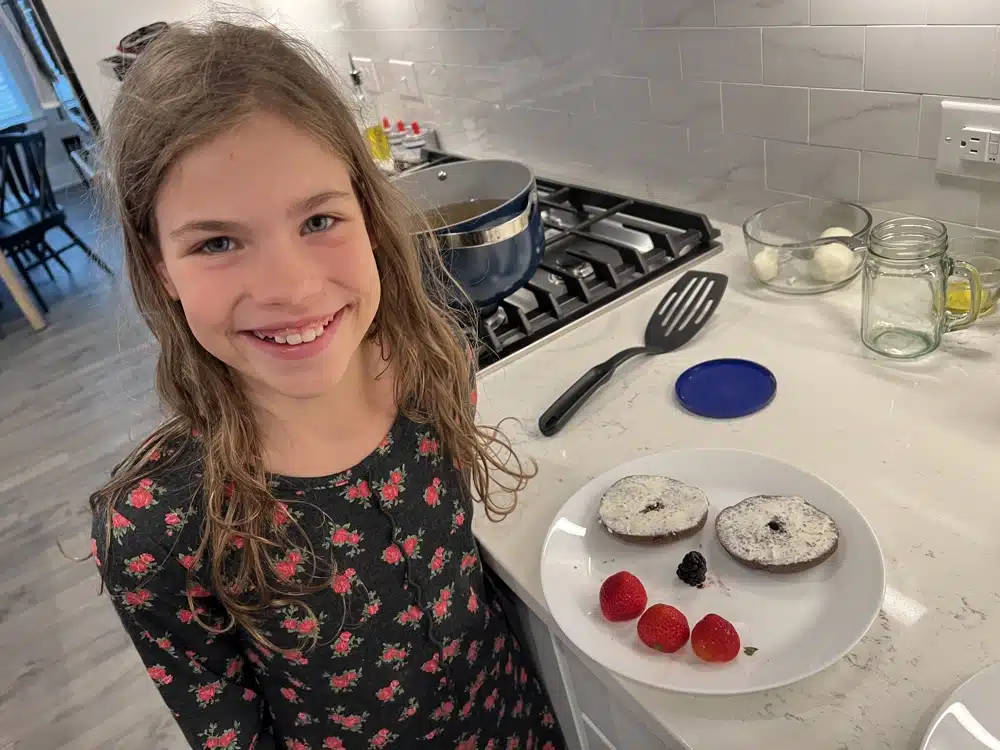
Why a Daily Meal Plan Doesn’t Work for Busy Families
Our large family meal planning system is easy, because it’s actually a no-plan system!
Yes, you read that right. We don’t really meal plan in the traditional sense. That is, we don’t have a rigid daily meal schedule that’s pre-planned for each day of the week.
Instead, we have a master list of meals that everyone in our household loves, and we decide which ones we’re going to make at the beginning of each week and buy only the necessary ingredients.
This allows for a lot more flexibility, while still providing the structure needed to prevent stress and overwhelm. If you have a busy schedule like us, flexibility is key.
I’ve tried the rigid weekly meal plan before. The first time we celebrated Sukkot (a.k.a. the Biblical Feast of Tabernacles), I made a list of every meal we planned to eat for the eight days that we’d be camping.
We didn’t stick to that list for more than 24 hours! When you have a big family with different dietary needs, varying appetite levels, and picky little eaters, a rigid meal plan doesn’t always work. I’m not saying it can’t work. Sometimes that kind of structure can be good and is even much needed.
But most days, kids are wildcards. They may hit a growth spurt and suddenly want to eat everything in sight, resulting in unexpected ingredient shortages come meal prep time.
Or the opposite happens, and they aren’t hungry and refuse to eat what you’ve prepared. Flexibility allows you to pivot when someone’s preferences change without feeling like you’ve failed.
Some days you may forget to thaw out meat that’s needed for a specific meal. Having flexibility, and a master meal list that includes a few vegetarian options, allows you to pivot and still make a healthy meal from scratch instead of ordering food from a restaurant out of desperation.
How To Build a “Master Meal List” For a Big Family
A master meal list is simply a list of meals that everyone in your household likes. I built mine over several years by trying new recipes that I found on Pinterest and saving the ones we loved the most. Here’s an easy step-by-step process to create your own:
- Brainstorm meals that everyone in your family loves. If you have a large household, chances are you already have a running list in your head of everyone’s favorites. Feel free to include your kids in the brainstorming process – it’s a great family bonding activity, and getting their input will help you minimize or even avoid picky-eater meltdowns.
- Organize meals into categories: breakfast, lunch, dinner, and snacks.
- Include meals that are versatile and use common ingredients. This way, you can buy larger amounts of fewer ingredients in bulk and use them in multiple meals.
- Keep the list somewhere that’s easily accessible. You could get a magnetic dry erase board and hang it on your refrigerator. Or, store it in your phone for quick reference (this is what we do).
- Try at least one new recipe each month so your list continues to grow. Over time, you’ll get tired of eating the same meals over and over. Adding new recipes to the mix makes for a wider variety of meals to choose from.
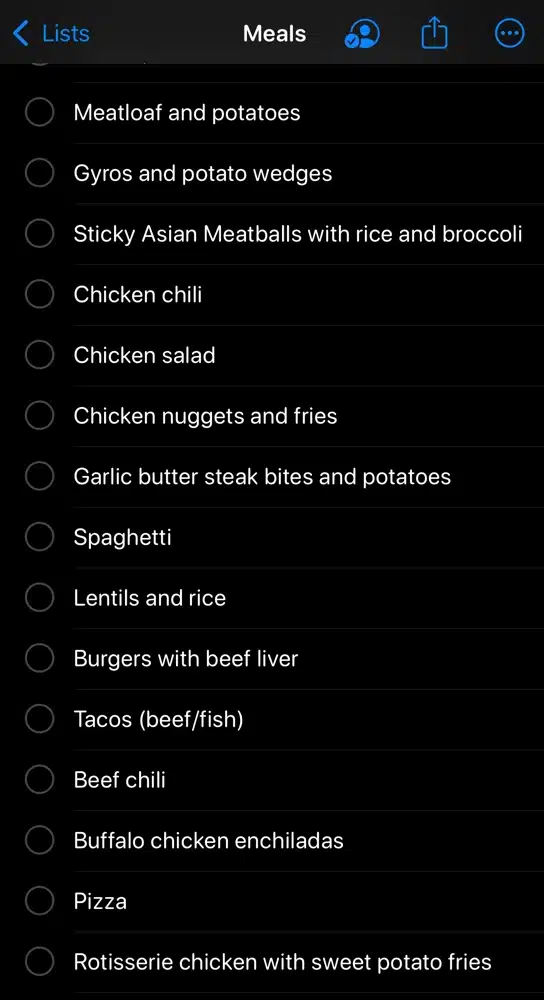
Here are some example meals from our own list in each category:
Large Family Meal Planning Breakfast Ideas:
- Sourdough chocolate chip pancakes
- Einkorn blueberry muffins
- Yogurt with granola and fruit
- Cottage cheese bowls with fruit and almond butter
- Eggs and bacon (or chicken sausage)
- Sourdough avocado toast
- Homemade sourdough bagels & cream cheese
Large Family Meal Planning Lunch Ideas:
- Last night’s dinner leftovers (this is probably our most frequent go-to!)
- Sandwiches on homemade sourdough sandwich bread
- Quesadillas (usually after taco night with the leftover meat)
- Salmon cakes (made with canned salmon) and green beans
- Teriyaki chicken meatballs (we buy these pre-made from Costco)
- Homemade chicken salad lettuce wraps
Large Family Meal Planning Dinner Ideas:
- Slow cooker chicken or beef chili
- Beef tacos on homemade whole wheat tortillas
- Spaghetti
- Lentils & rice with plain yogurt (a delicious Lebanese dish that I grew up eating!)
- Chicken quesadillas
- Instant pot meatloaf & potatoes
- Burgers (on homemade sourdough buns) w/ french fries
- Homemade pizza
Large Family Meal Planning Snack Ideas:
- Roasted seaweed
- Fresh fruits (apples, kiwi, bananas)
- Dried fruit (berries, mango, raisins)
- Tortilla chips with fresh garden salsa
- Sardines, sliced cheese w/ crackers, and kalamata olives
- Veggies & hummus
- Trail mix
- Ants on a log (celery with peanut butter and chocolate chips)
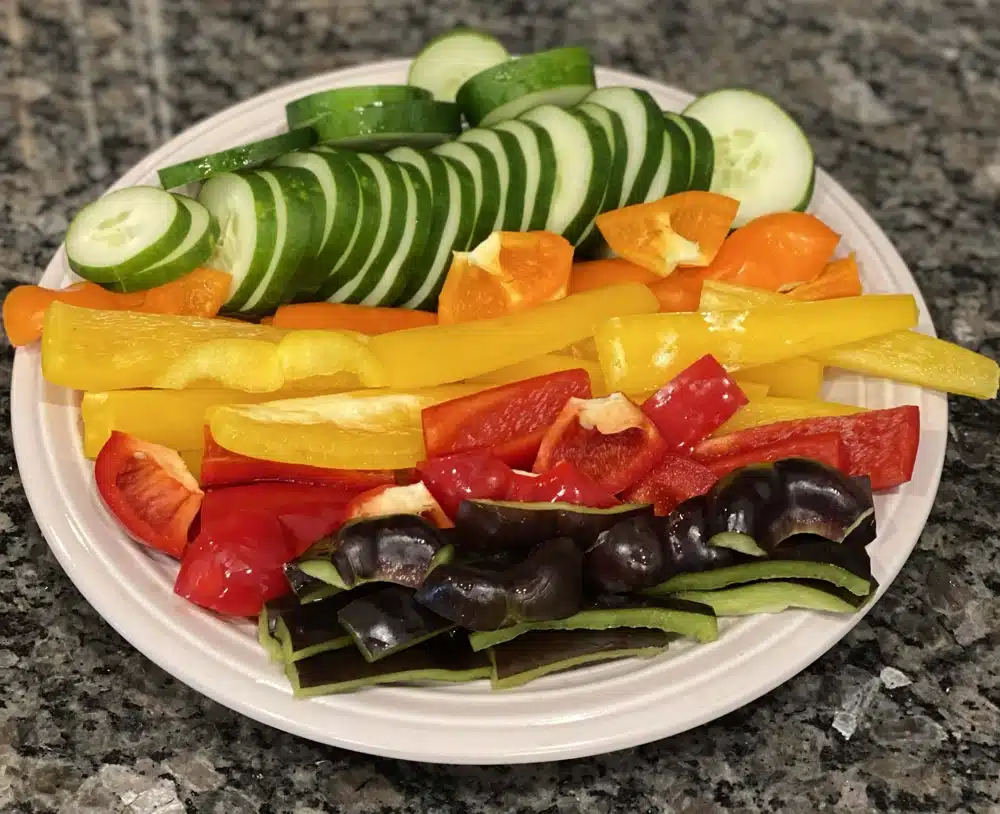
Large Family Meal Planning: Stocking Your Kitchen for Success
For a no-plan large family meal planning process to work, it’s important to maintain a well-stocked pantry and fridge, with ingredients that you use most often. For us, this includes things like:
- Dairy: sour cream, yogurt, cottage cheese, eggs
- Canned goods: tomatoes, black beans, kidney beans, chick peas, pumpkin, coconut milk
- Nuts, seeds & dried beans
- Cooking oils: olive oil, coconut oil, avocado oil
- Meat & fish: ground beef, chicken breasts, chicken thighs, frozen wild-caught salmon, frozen mahi-mahi, canned sardines
- Spices: chili powder, cumin, paprika, oregano, basil, sea salt, black pepper
- Pasta noodles
- Chicken broth / chicken stock
- Whole grains: we make most of our bread products with fresh-milled flour and have a large storage of wheat berries, including hard white wheat, soft white wheat, einkorn and spelt.
Buying in bulk can really help you save money. We buy all of our grains, raw cheeses, meat, fish, dried beans and dried fruit from Azure Standard. (It’s actually a Torah-observant company, so you any Biblically unclean foods on their website!) We also get a lot of healthy snacks from Costco. (Check out this post for inspiration: Favorite Healthy Costco Finds for Kid-Friendly Foods.)

ALDI is another good place to buy in bulk if you’re on a tight budget.
We also buy raw milk, pastured eggs, and raw honey from local farms.
It’s important to balance cost, health, and convenience when choosing bulk ingredients. While we do buy some things from grocery stores and bulk warehouses (because it’s convenient), we try to keep it to a minimum. And we’re very selective when it comes to what we buy, opting for organic and non-GMO options when they’re available (especially for foods in the Dirty Dozen list).
It’s also important to store large amounts of bulk items properly in order to avoid waste. This is especially true for bulk grains. Wheat berries can last for decades when properly stored.
Making Everything (Mostly) from Scratch
As I mentioned earlier, we try to make most things from scratch (even pasta when time allows – it’s delicious!) Fresh-milled grains give you the highest nutrient benefits over store-bought bread, and sourdough is even healthier.
If you have a small food budget, from-scratch meals are definitely the way to go. Eating out is not only expensive; it’s unhealthy.
I won’t lie, though – it is time-consuming. There are days when it feels like I’ve been in the kitchen for hours. But it’s so worth it! If you’re concerned about not having much time to cook, here are some time-saving large-family meal planning tips to make it easier:
Batch cook your meals and freeze them. Dump-and-go freezer meals are a great option. You can thaw it out overnight, put it in the crock pot in the morning, and it’s ready to eat by dinner time!
Use kitchen tools and appliances like stand mixers, bread machines and food processors to speed up ingredient prep.
Involve the kids in age-appropriate meal prep tasks. They can peel onions and garlic, chop soft fruits and veggies, and stir ingredients together for marinades and sauces.

Again, it’s important to balance from-scratch cooking with the convenience of having healthy snacks on hand that were purchased in bulk. Not having the flexibility can make large family meal planning stressful, and stress will take a toll on your health, no matter how good your diet is.
I’d be lying if I said we never ordered the occasional meal from a restaurant. We all have our “cheat days”, and that’s okay. Just be careful not to have them too often, and try to stick to healthier options when available.
Leveraging Leftovers and Simplifying Lunch
I always try to make enough food for dinner so that we have leftovers for lunch the next day, but it doesn’t always happen. In those cases, we’ll use up homemade loaf bread for sandwiches and pair it with simple, healthy sides like tortilla chips or veggies and hummus.
Thankfully, our kids like leftovers, but I know that some kids don’t. You could make them more appealing by changing things up a bit. For example, maybe you have some beef left over from taco night. Instead of doing tacos again for lunch (which they’ll recognize as a leftover since they had it the night before), you could use it to make beef quesadillas instead.
I try to make two fresh sourdough sandwich loaves each weekend so we always have plenty available for sandwiches during the week. This is especially helpful on our busiest homeschool days.
How to Stay Consistent and Avoid Overwhelm
If you’ve read this far and you’re feeling overwhelmed, don’t worry! I’ve been where you are. Large family meal planning can seem like a daunting task at first. But once you have a well-thought out list of quick, easy meal ideas, and a shopping list of ingredients, it’ll become second nature.
Here are some tips for staying consistent without becoming overwhelmed:
- Have a weekly grocery shopping routine. Pick one day a week to do all of your shopping. Go through your master meal list and choose 7 to 10 meals from each category. If you buy in bulk, chances are, you’ll already have most of the major ingredients on hand already, and you can shop to fill in the gaps.
- Rotate your favorite meals from the list every other week.
- Stay flexible! Sometimes ingredients will go out of season, or unexpected scheduling changes will happen. You may have to sub out a meal or two for something different. It’s a good idea to have a list of quick easy meals for weeknights in case that happens.
How Do You Meal Plan With Picky Eaters and Dietary Restrictions?
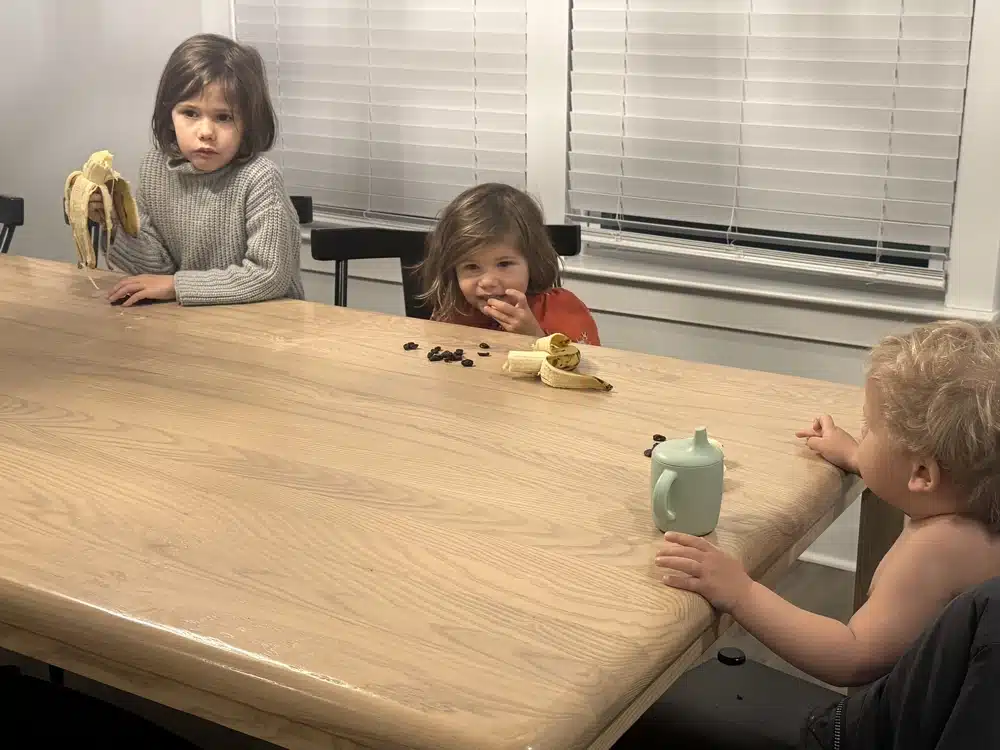
Great question! Most American kids are picky eaters. I honestly think it’s because we as parents cater too much to their desires and allow frequent snacking. When kids are allowed to snack between meals as often as they want, they don’t have appetites when it’s time to sit down and eat a larger, planned meal as a family. For that reason, we limit snacks to a one or two set times per day allowing ample time between snack and meal time for their appetites to build back up.
(If you have picky eaters, I highly recommend the book French Kids Eat Everything. It’s chock full of practical tips on how to raise healthy and happy little eaters, curated from the author’s experience of raising her American children in France.)
We also refuse to become short-order cooks, meaning: we don’t cook something different just to accommodate their bouts of pickiness. This might be an unpopular opinion, but kids are not going to let themselves starve. If a child refuses to eat what we put in front of them, they deal with the consequence of being hungry later. This doesn’t last long though … In most cases, when they’re being picky, it’s not that they don’t like the food we’ve made (they probably ate it happily a week ago, in fact!) It’s that they simply want something different in that moment. If they’re hungry enough, they’ll eat the food they’ve been given. (Another reason to limit snacks!)
If you have dietary restrictions, large family meal planning might be a little tougher. We’ve gone through periods where one person in our house had to go gluten free or sugar free for a time. In that case, we all took on those restrictions ourselves, making meals with modified ingredients that all of us still ate. And we’d buy a variety of different snack foods to accommodate everyone’s preferences. That way everything we ate wasn’t limited by one person’s special diet needs.
Large Family Meal Planning – Final Takeaways
Building large family meal plans for multiple family members with varying tastes and needs can be challenging, but hopefully you’ve gotten some good ideas to hlep you simplify the process. To recap, here are our top tips for making weekly meals a minimal effort for the whole family:
#1: Create a master meal list that you can refer to each week to simplify the decision-making process.
#2: Buy groceries in bulk and cook food from scratch to feed a large family with wholesome, healthy foods.
#3: Stay flexible and aim for consistency over perfection!
What are some of your family’s favorite meals? Share your best large family meal planning recipes in the comments below!